

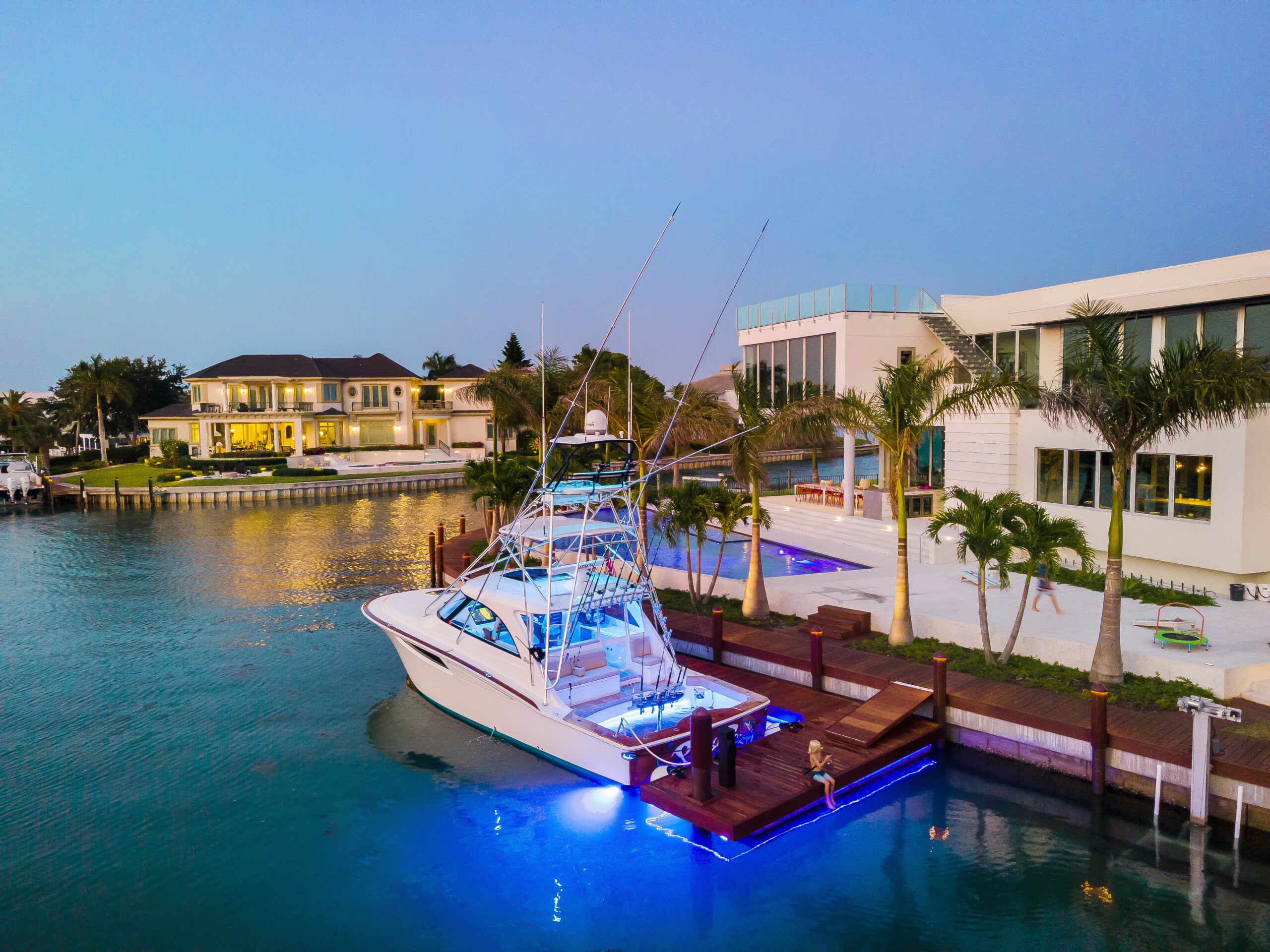
Adding a dock is a smart decision that can transform lifestyle and property value for waterfront property owners. Having a dock can elevate the experience of individuals who enjoy water sports, boating, fishing, or simply relaxing by the water. When investing, one important decision that waterfront homeowners need to make is whether to opt for a floating dock or a fixed dock. Both types offer unique advantages, and the right choice for you depends on your water conditions, usage needs, and goals.
What Is a Floating Dock?
A floating dock rests on top of the water surface and is secured with anchors, cables, or guide pilings. They rise and fall with changing water levels, and are perfect for regions with steep shorelines, fluctuating water levels, or deep water. As these docks move with the water, they maintain a consistent distance from the surface, making boarding boats easier and safer. Their installation is also quicker, as they don’t require deep pilings to be driven into the seabed. These dock systems are modular and can be adjusted or reconfigured over time.
What Is a Fixed Dock?
A fixed dock is built on pilings that are driven deep into the seabed. They are also known as stationary docks, as their platform remains at a constant height, irrespective of changing water levels. As these docks are firmly anchored, they feel solid underfoot and are well-suited for heavier boats, frequent docking, or areas where the dock is frequently used for gathering. However, as they do not adjust to changing water levels, accessibility can be affected during tidal shifts. During low water levels, the platform may be too high above the water surface, making boarding difficult. This is why these docks are usually installed in areas where water levels remain relatively stable.
Key Factors to Consider
Some key factors to consider when choosing between floating and fixed docks include:
- Water Conditions: For areas that experience frequent tidal changes or seasonal fluctuations, a floating dock is usually more suitable. Fixed docks offer stability and are a good choice for areas with consistent water levels.
- Intended Use: For kayaking, paddleboarding, and light recreational use, floating docks offer convenient access. For larger boats or heavy use, fixed docks offer exceptional structural strength.
- Installation Requirements: Construction-wise, floating docks are generally less invasive. Fixed docks require deeper pilings and additional permitting, depending on local regulations.
- Long-Term Goals: Homeowners who want flexibility for future changes should consider floating docks, as they are adaptable and can be reconfigured. For those who want a permanent, traditional structure, fixed docks are a suitable option.
When it comes to investing in a dock, there is no universal right choice. The correct choice depends on what your vision is and how you intend to use the dock. If you need expert guidance for selecting a dock, contact Bay & Key. We are an expert boat dock builder in Sarasota, FL, and can help you assess your shoreline conditions and suggest a dock.