
A custom dock is far more than a utility for mooring a vessel; it is a sophisticated architectural extension of your estate and a gateway to the Florida lifestyle. For the discerning homeowner in Sarasota, Naples, or the Florida Keys, the transition from land to sea must be seamless, durable, and aesthetically impeccable.
However, the path from a coastal vision to a completed masterpiece is paved with complex engineering, stringent environmental regulations, and critical material choices. This comprehensive guide serves as your master checklist, ensuring every detail of your marine project is executed with the precision that luxury demands.
I. Defining the Vision: Lifestyle and Vessel Requirements
Before a single piling is driven into the seabed, the planning must begin with an honest assessment of your waterfront goals. A dock designed for a 30-foot center console is fundamentally different from one intended for a 100-foot motor yacht.
The Vessel Profile
Your dock’s engineering is dictated by the physics of your boat. You must account for:
Draft and Tide:
- In many Florida waterways, a “low tide” can drastically limit navigation. Your plan must include bathymetric data to ensure your vessel never touches the floor.
- Beam and Length: These dimensions determine the spacing of your pilings and the necessary “swing room” for docking in heavy currents.
- Future-Proofing: Many owners regret building for their current boat. If you have aspirations for a larger vessel in the next five years, the time to engineer that capacity is now.
Recreational Architecture
Will your dock be a solitary place for morning coffee, or the epicenter of a “docktail” party? Consider:
- Integrated Seating: Built-in Ipe benches or expanded deck sections for lounge furniture.
- Fish Cleaning Stations: Custom-integrated stations with high-pressure water and specialized drainage.
- Jet Ski & Kayak Launching: Dedicated low-profile platforms or hidden lifts that don’t disrupt the primary aesthetic.
II. Environmental Science and Site Analysis
Florida’s coastline is a protected treasure. Building on it requires a “measure twice, cut once” philosophy that respects the ecosystem.
Bathymetric and Geotechnical Surveys
You cannot build what you cannot see. Professional site analysis includes:
- Bottom Profile: Mapping the slope of the sea floor to determine piling lengths.
- Soil Composition: Is your property sitting on soft silt, dense sand, or Florida limestone? This determines whether your pilings can be “jetted” (using high-pressure water) or if they must be “driven” with a hammer to reach structural refusal.
The "Hidden" Constraints
Environmental protection agencies look for specific biological markers. If your site contains Johnson’s Seagrass or is a designated Manatee Sanctuary, your construction window and dock footprint may be legally restricted. A luxury builder handles these surveys early to avoid mid-project shutdowns.
III. Material Science: Selecting for Longevity and Luxury

In the harsh salt-spray environment of the Gulf Coast, “standard” materials are a liability. Luxury construction relies on materials that age gracefully under the relentless Florida sun.
Decking: Hardwoods vs. Advanced Composites
- Ipe (Brazilian Walnut): The gold standard. It is so dense it carries a Class A fire rating (the same as steel) and naturally resists rot without chemicals. It fades to a beautiful silver-grey or can be oiled to maintain its deep chocolate hue.
- Modified Woods: Options like Kebony or Thermory offer high performance with a more sustainable footprint.
- Concrete Floating Docks: For the ultimate “solid ground” feel, concrete floating systems (like those from Bellingham Marine) offer unparalleled stability and are the choice for world-class marinas and high-end estates alike.
The Skeleton: Piling and Framing
The beauty of the dock is on the surface, but its soul is beneath the water.
- Greenheart Pilings: A specialized timber from South America that is naturally toxic to marine borers.
- Concrete Piles: For maximum longevity, pre-stressed concrete pilings provide a clean, modern look and an almost infinite lifespan.
- Framing Hardware: Insist on 316 Stainless Steel. Lower grades will bleed rust within months, staining your expensive wood and compromising structural integrity.
IV. Navigating the Regulatory Landscape
Perhaps the most daunting phase of dock construction is the permitting. In Florida, you are often dealing with three layers of government simultaneously.
The Regulatory "Triple Crown"
- Local Municipality (City/County): Focuses on zoning, setbacks from property lines, and aesthetics.
- Florida Department of Environmental Protection (FDEP): Focuses on the impact on state-owned submerged lands and water quality.
- U.S. Army Corps of Engineers: Focuses on navigable waterways and federal environmental protections.
The Seawall Assessment
- Your dock is an appendage of your seawall. If your seawall is showing signs of “cap cracking” or “toe-out” (shifting at the bottom), it must be repaired before the dock is installed. A luxury build includes a structural integrity check of the existing bulkhead to ensure the foundation of your investment is secure.
V. Advanced Systems: Lifts, Power, and Light
Custom Boat Lifts
The final step is the execution. For a luxury estate, having a construction crew in your backyard for months is unacceptable.
Barge-Based Construction
Marine Utilities
Professional marine contractors, like the team at Bay & Key, utilize heavy-duty barges. This allows the majority of the “heavy lifting,” pile driving, and material storage to happen on the water. This protects your upland landscaping, reduces noise at the house, and keeps your driveway clear of heavy equipment.
The Single-Project Philosophy
In high-end construction, you should never be “one of fifty” projects. Ensure your partner operates on a focused schedule where your site receives daily attention until the final “white glove” walkthrough is complete.
VI. The Construction Process: Minimizing Disruption
- Shore Power: High-amperage pedestals are required for larger yachts to keep systems running without the generator.
- Potable Water: Integrated, high-pressure lines for easy wash-downs.
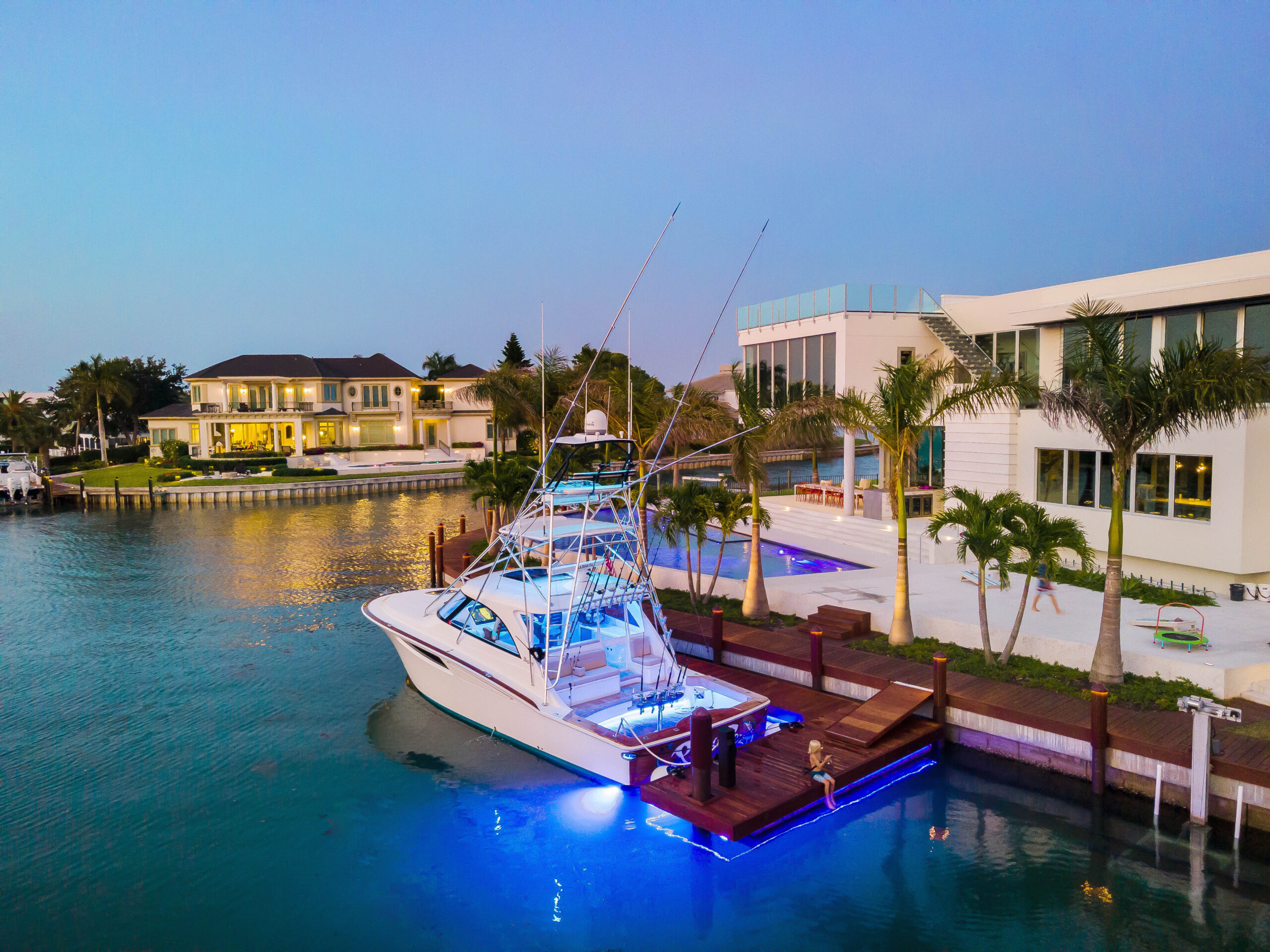
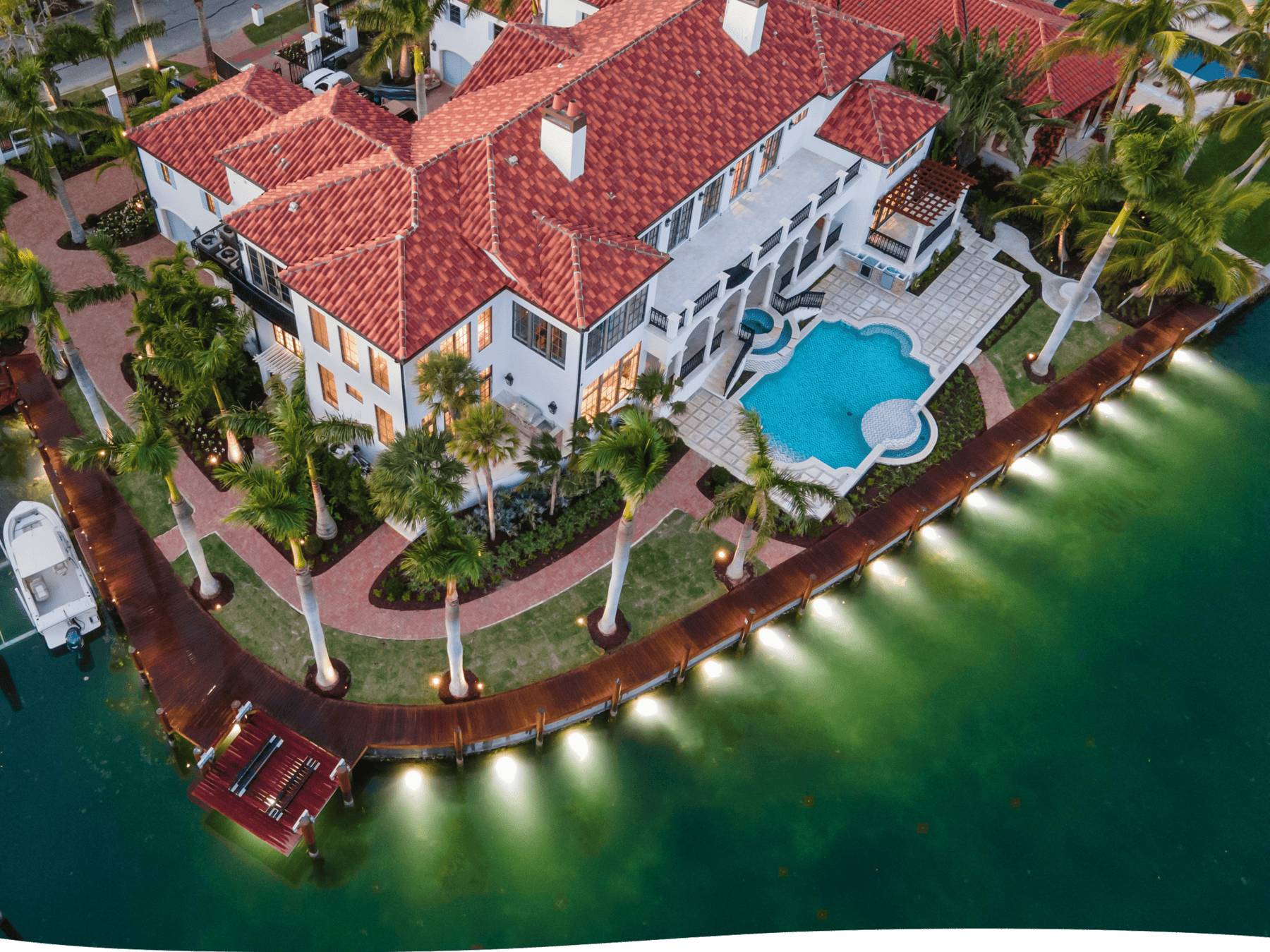
- Smart Lighting: LED “piling cap” lights and underwater “fish lights” transform the dock into a visual spectacle at night.
The Final Walkthrough
Planning a dock is an exercise in foresight. By checking off these six pillars—Lifestyle, Site Science, Materials, Permitting, Utilities, and Logistics—you ensure that your waterfront addition is not just a place to park a boat, but a lasting landmark of your estate.
Ready to begin your waterfront transformation?
The experts at Bay & Key are ready to guide you from the first survey to the first voyage.